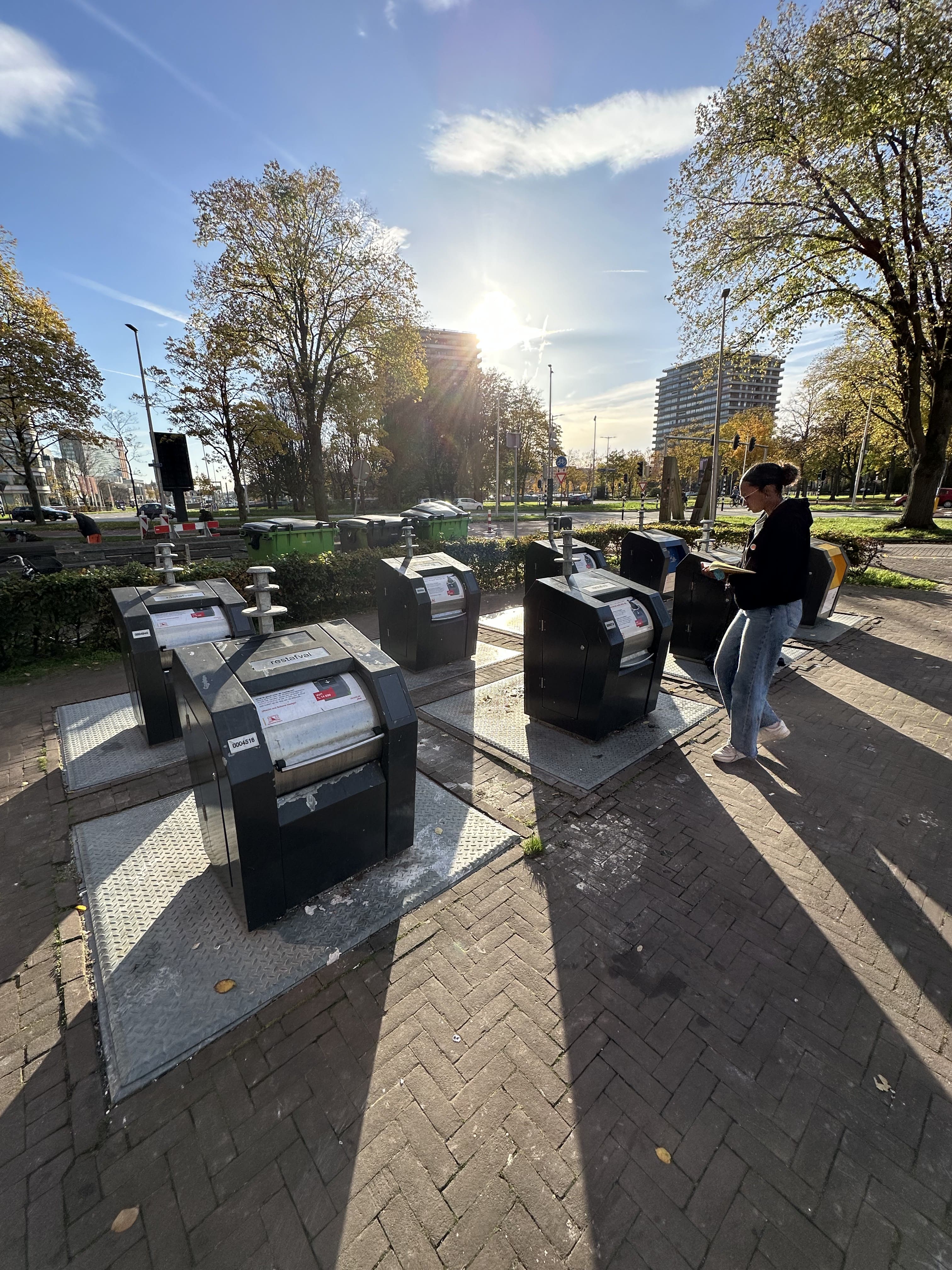
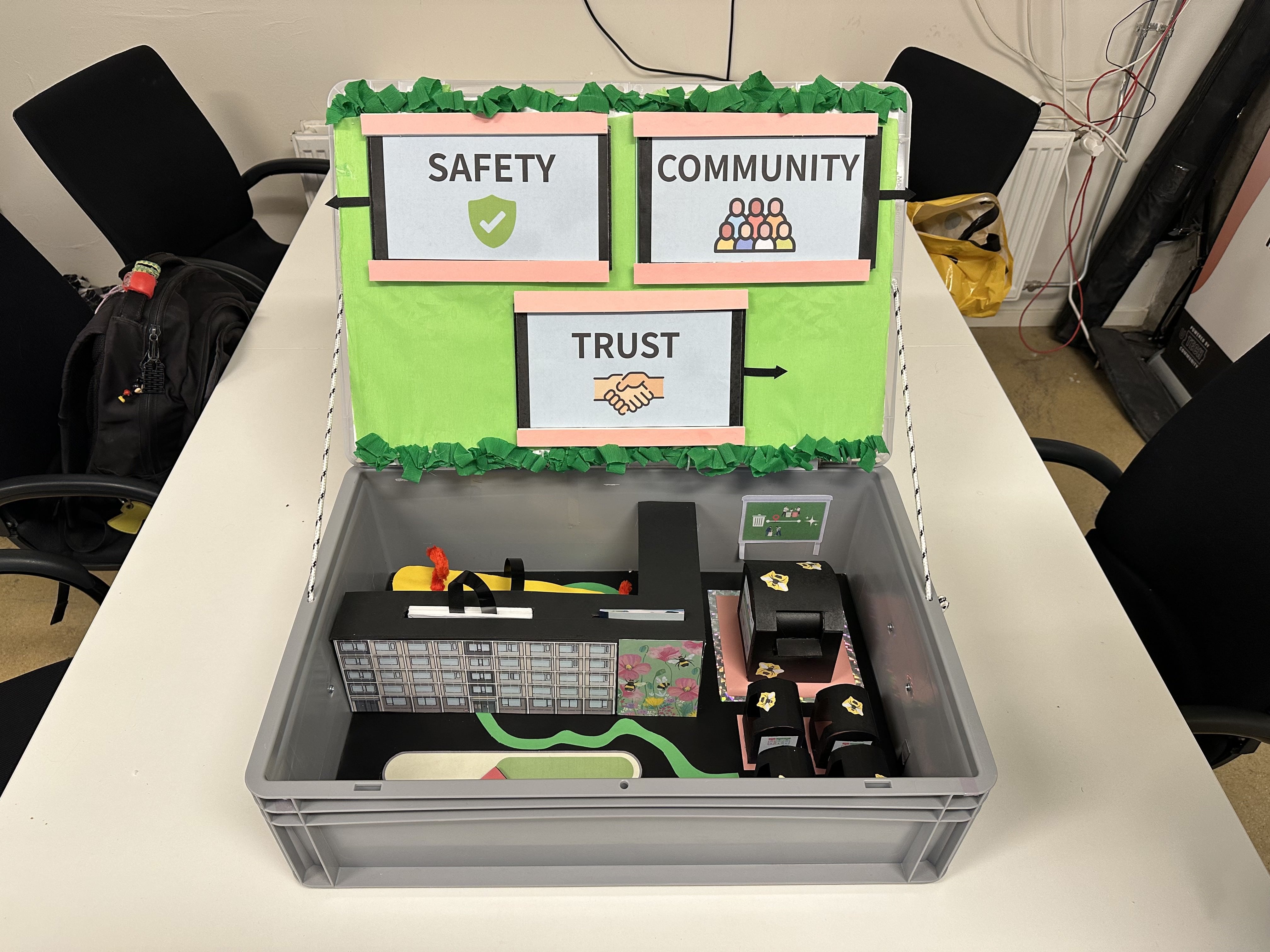
Residents of the Stroys buildings in Overvecht often leave waste outside the designated bins, and external factors like trash tourism make the problem worse. This project seeks to find ways for Woonin, Portaal, and the residents to develop lasting solutions that encourage proper waste disposal and create a shared sense of care and responsibility for their neighborhood.
Client:
Woonin & Portaal
Woonin & Portaal
Year:
2025
2025

Systemic Design
Multilayered design

Inclusive Design
Design for everyone

Social Practice Theory
Understanding human behaviour

Prototyping
Testing ideas

Graphic Design
Visual communication

Documentation
Showcasing the process
Solution
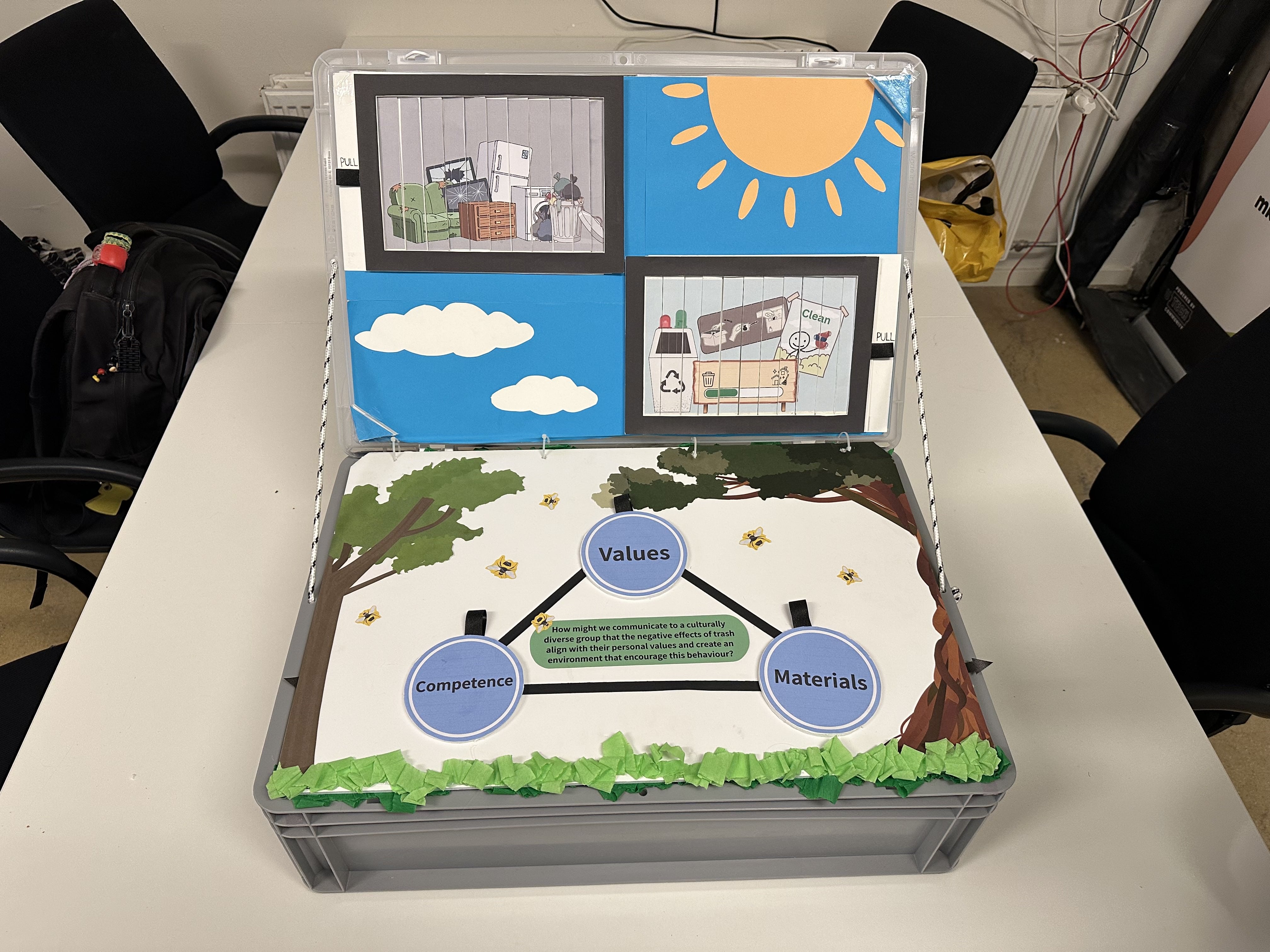
The approach of this project has been formed based on Social Practice Theory. This theory is a way of understanding human behavior by focusing on what people do, the routines and habits they have, and what they base their actions on. Our team focussed on competences: "The knowledge, skills, and know-how required to perform practices."
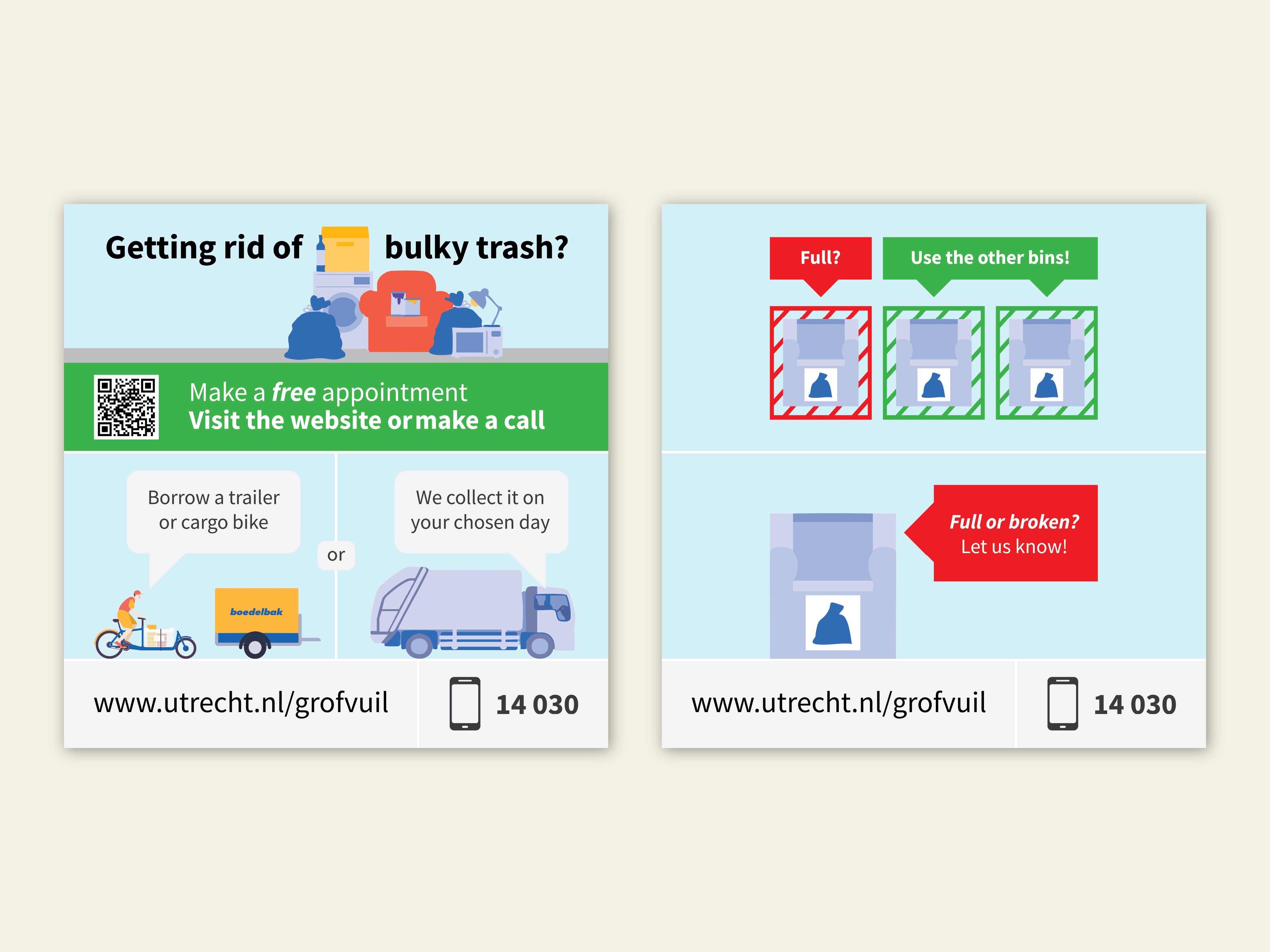
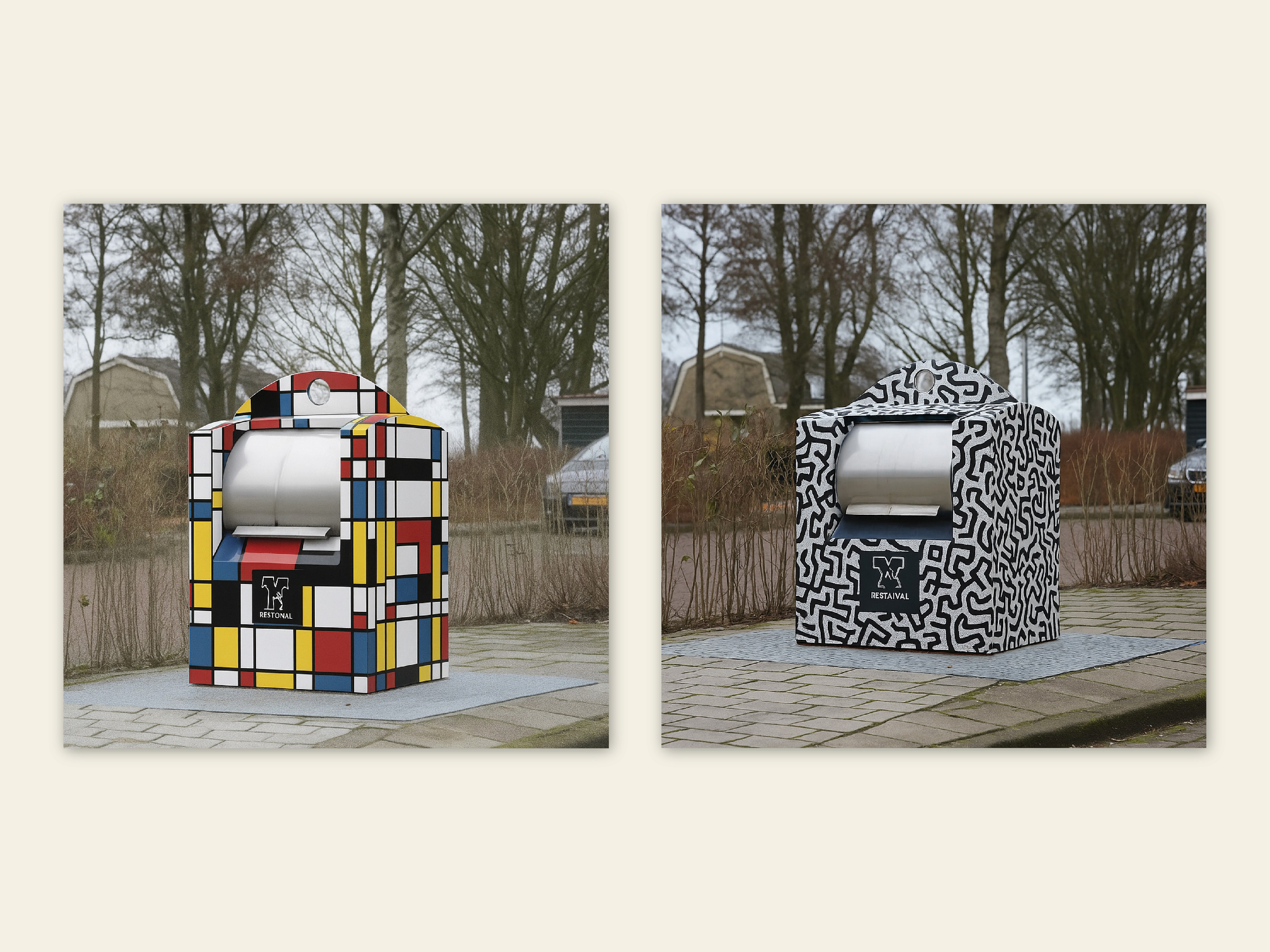
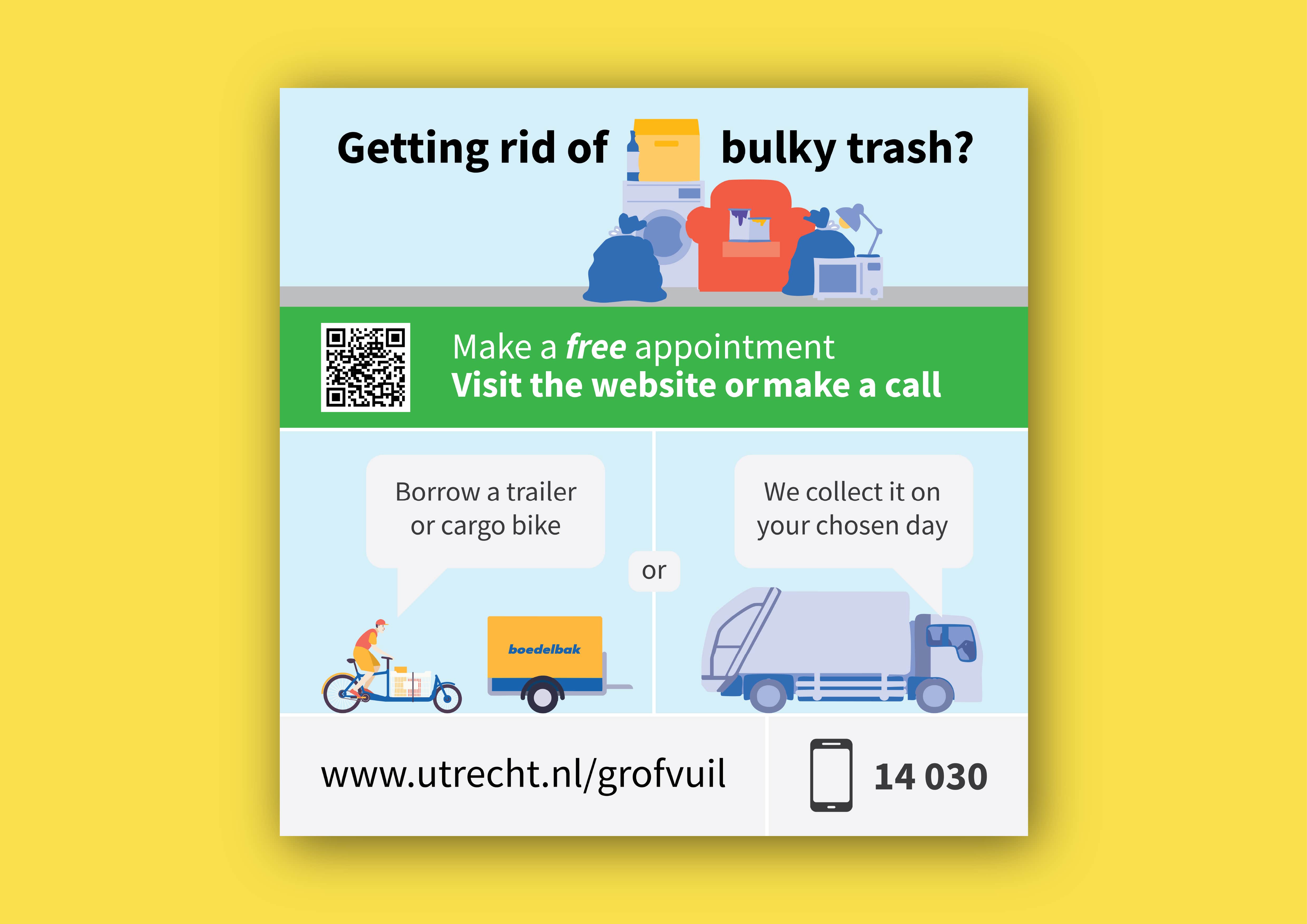
Our solution started by looking at the communication around waste management in the neighborhood. The information was only in Dutch and very text heavy, so we made it more visual and illustrated. This way, everyone can understand the options and how to use them, no matter their background or language. We also noticed that the trash areas looked boring and uninviting. By linking the design of the trashcans and walls to something residents recognize and letting them share ideas or vote on designs, the space becomes more personal, creating a sense of ownership.
Learned & Achieved
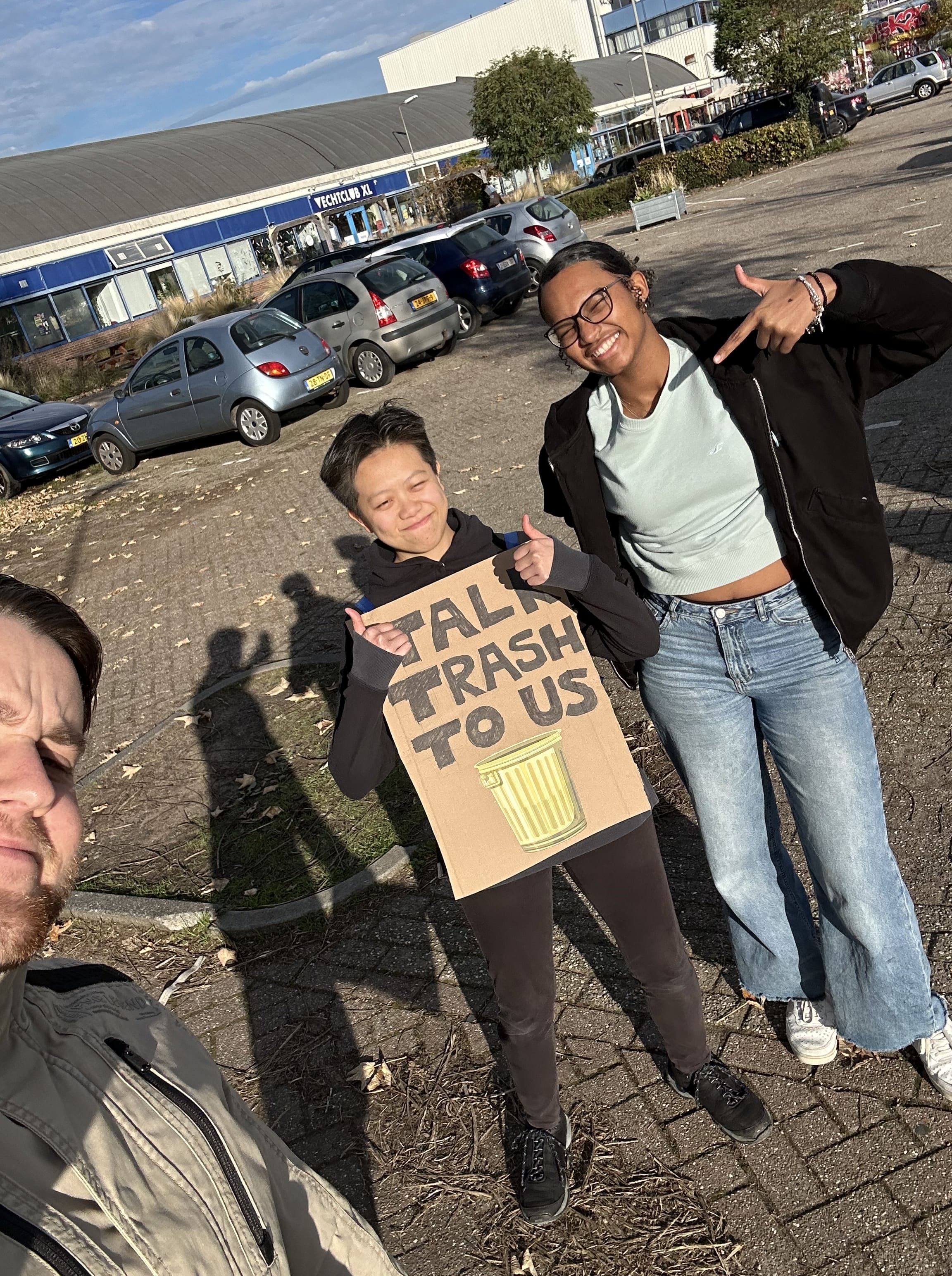
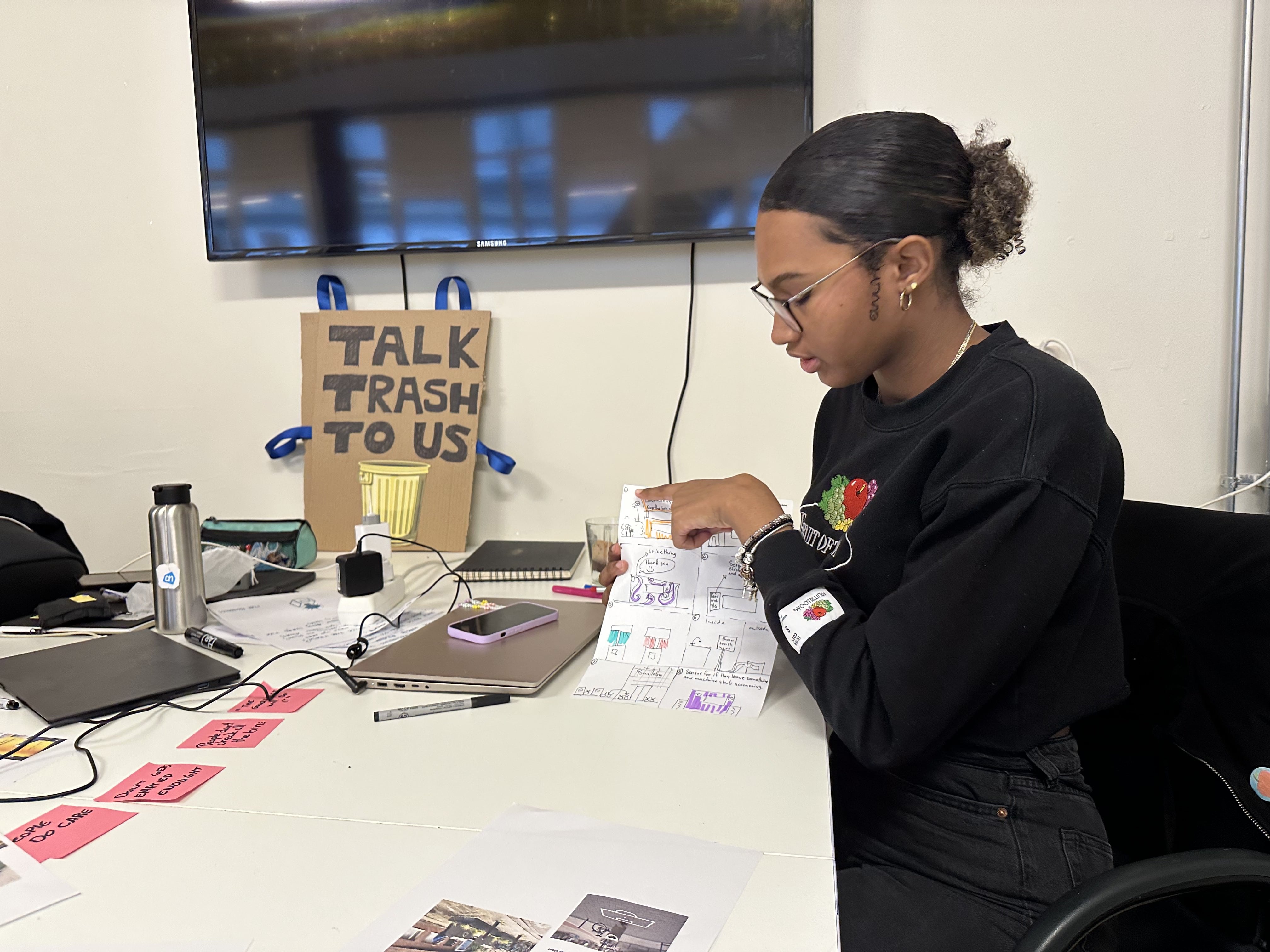
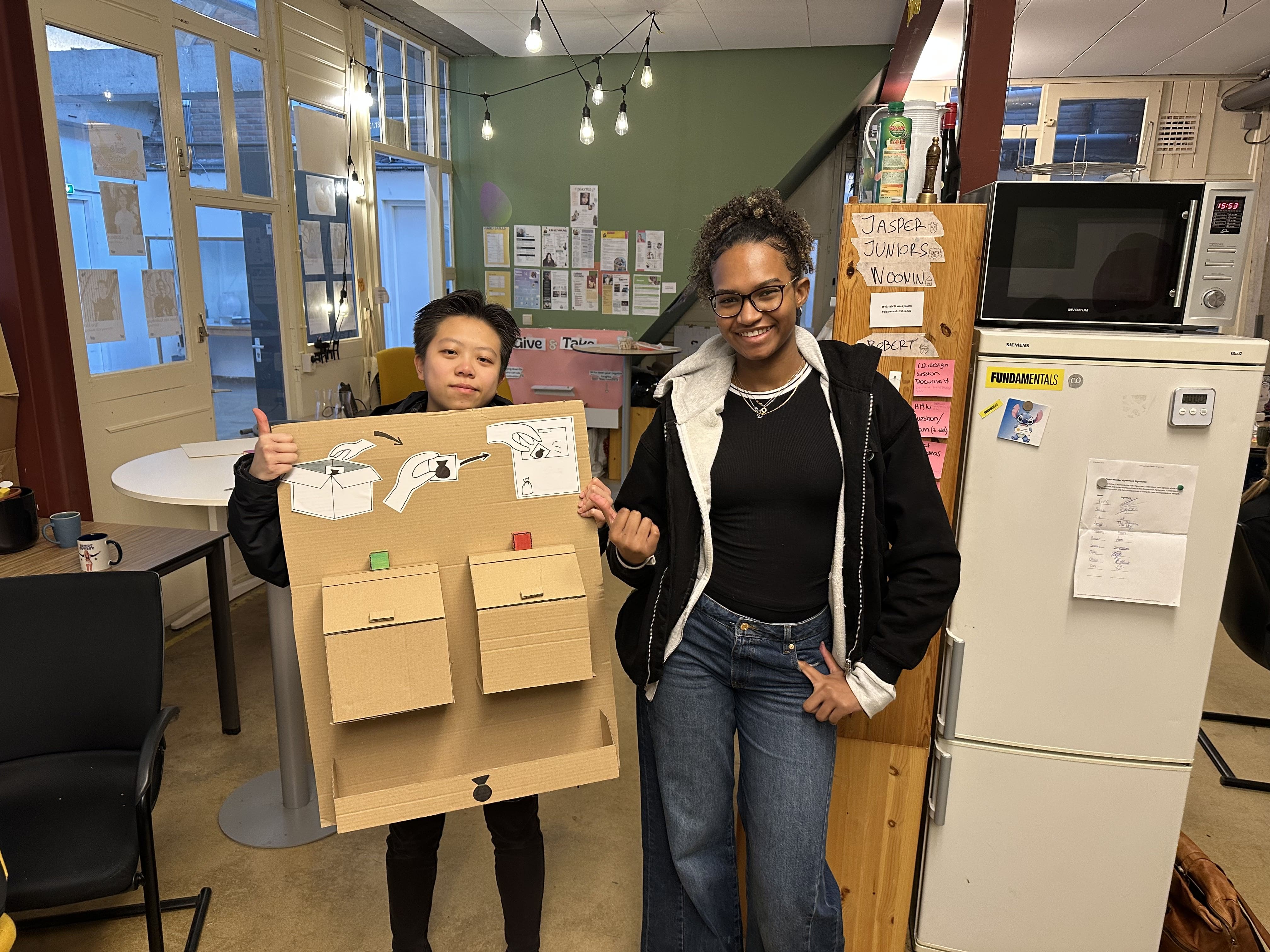
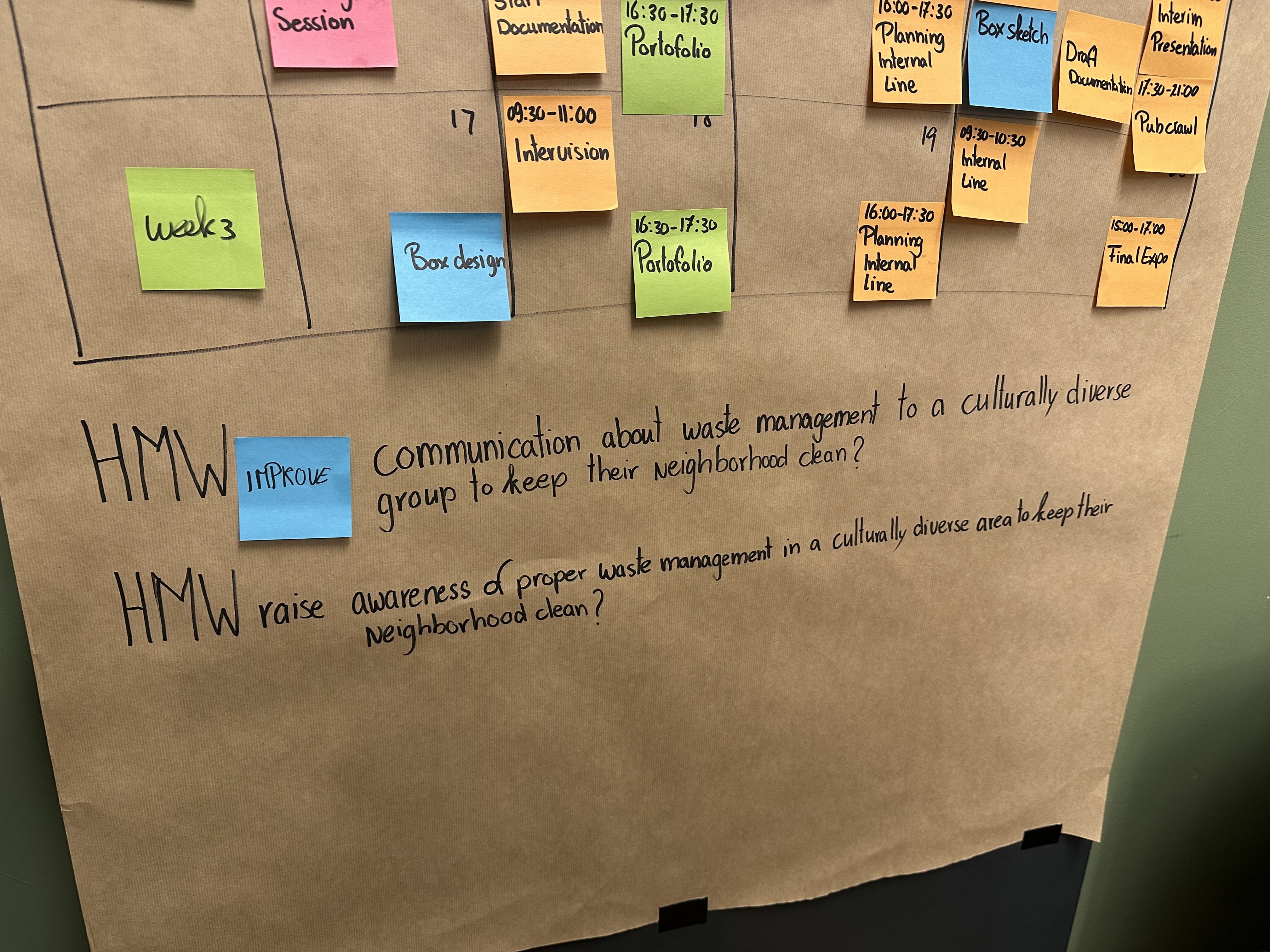
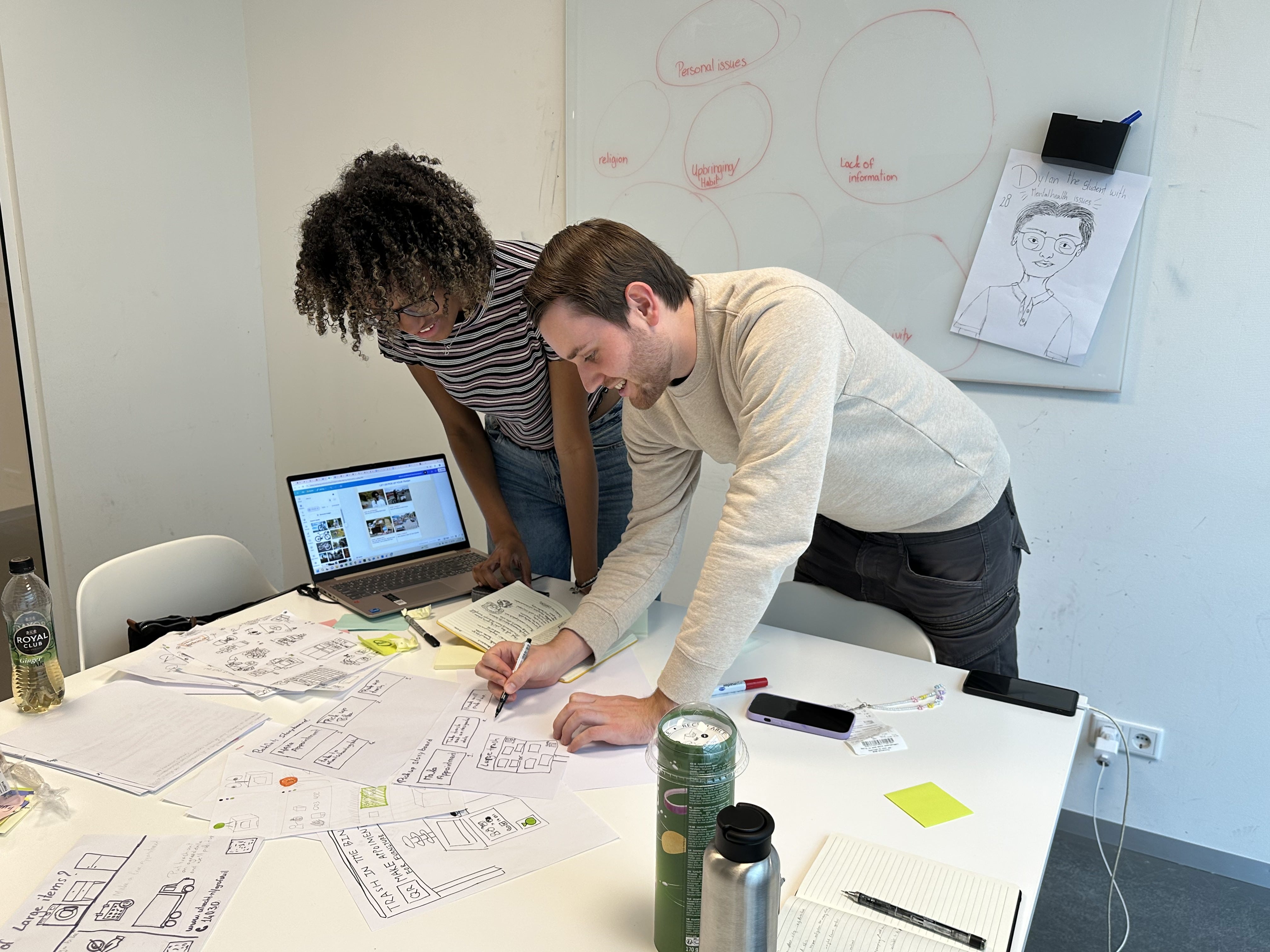
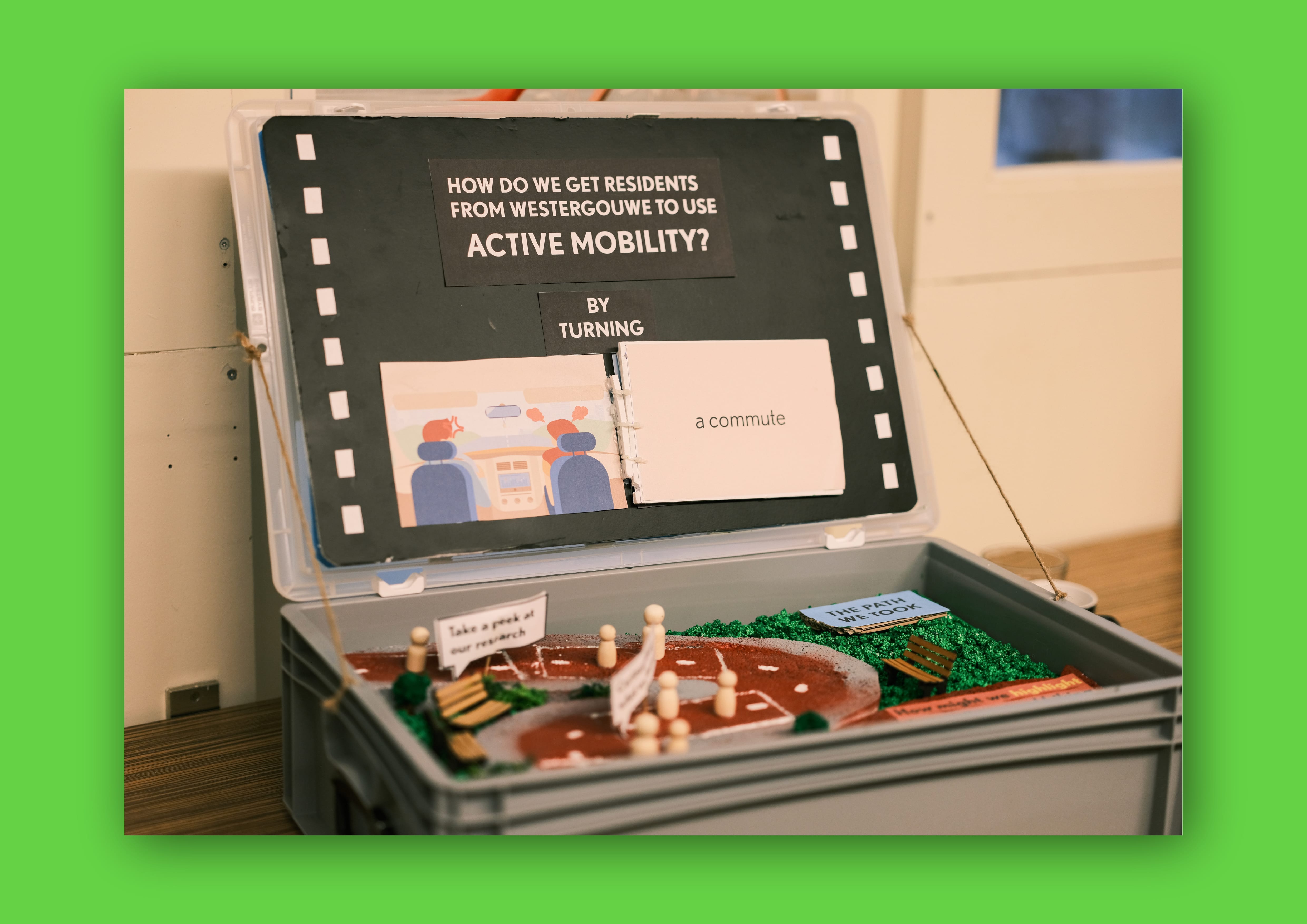
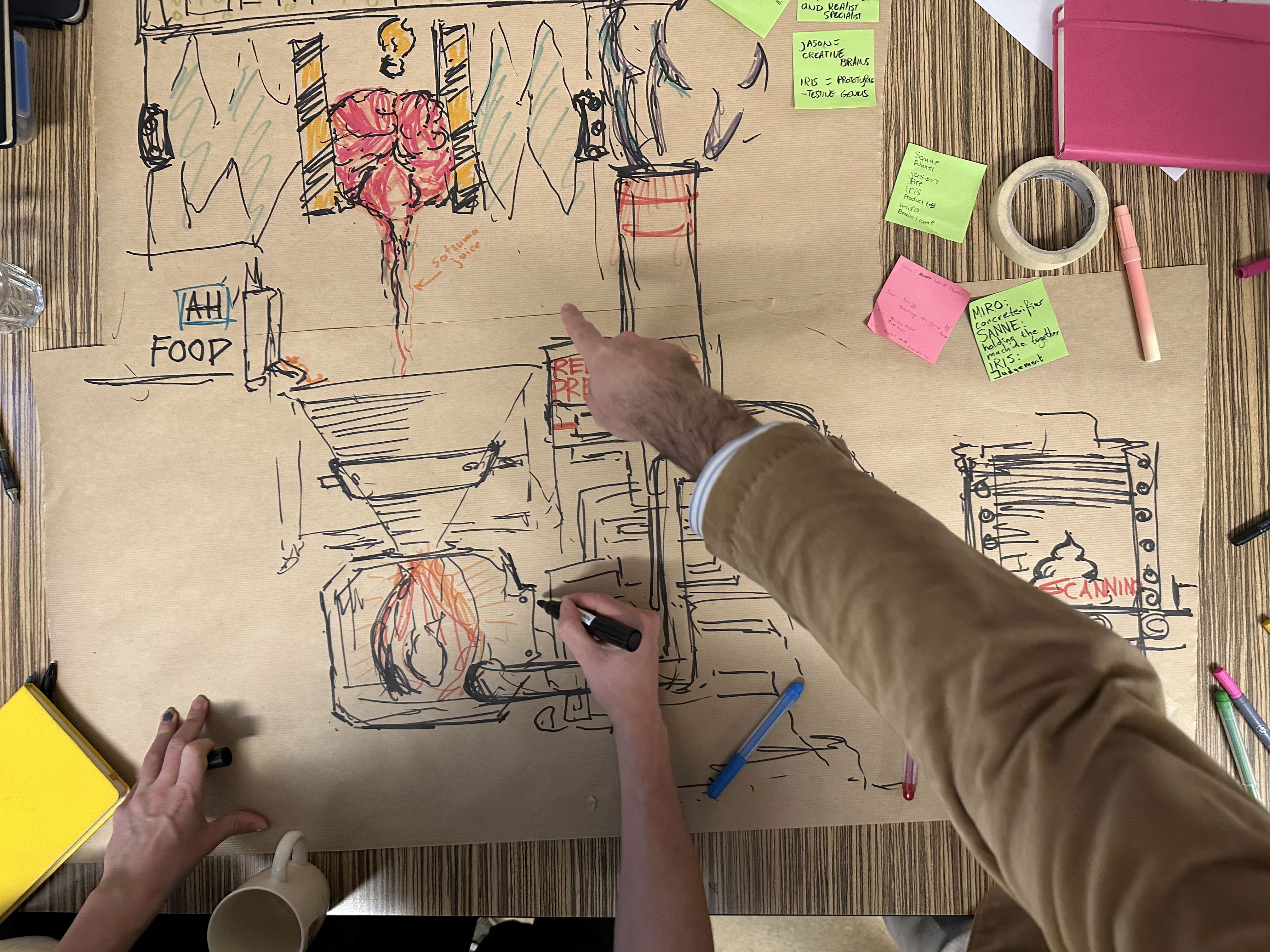
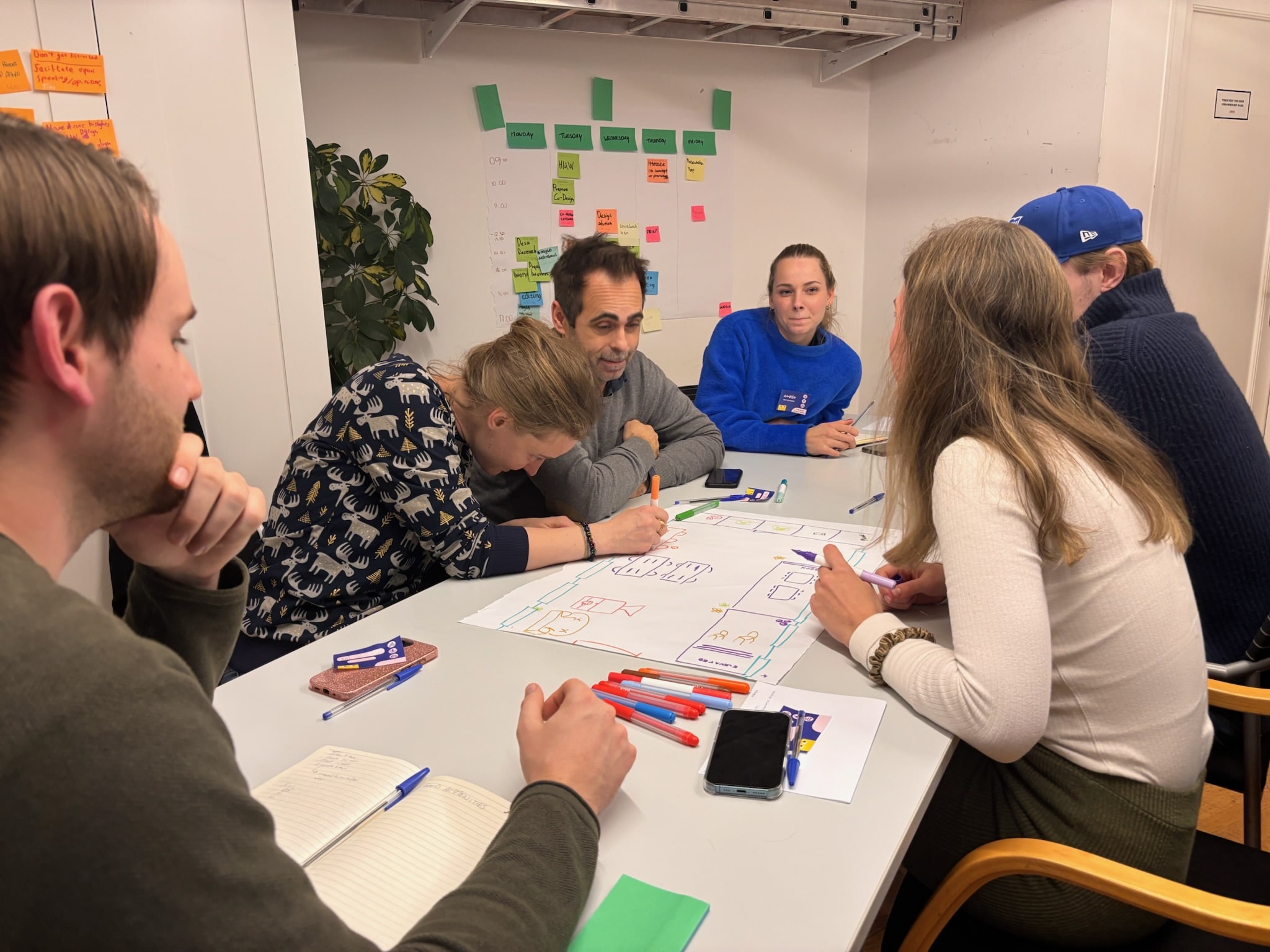
During the project, we started with generative research. By talking to residents and neighbors, testing a prototype, and running a co-design session, we tried to understand all the different reasons why people did not always dispose of their trash correctly. We then clustered this information to create “How Might We” questions and to come up with creative ideas to address the issue.
We focused on both written language and design language as our approach, showing that waste management is not only the municipality’s responsibility but also something the neighborhood should take part in.
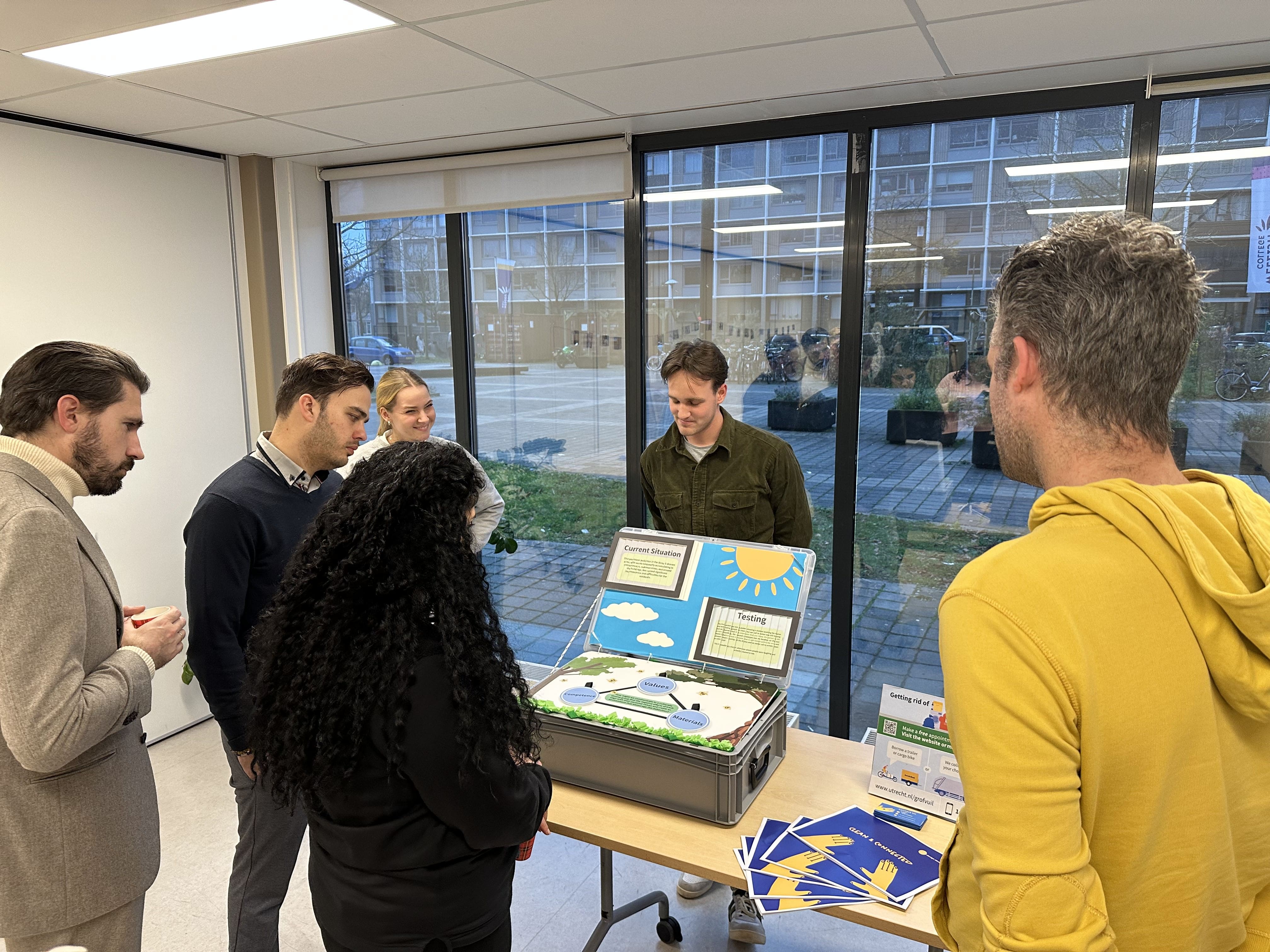
After completing the project and presenting it to the client, Co-Design Studio was invited to share it in depth at an organized event with many stakeholders. Ties and Jason were there to explain the project. Later, we learned that one of the ideas we developed, the one I designed, was selected for a trial implementation by the municipality. It involves putting a sticker on the lid of a trashcan to guide users to the next one if the first is stuck. Seeing our idea picked up so quickly was exciting and gave me a real sense of achievement.
My role & impact
In this project, my focus was on two main things: creating inclusive designs for the signs and writing and designing the documentation. For the signs, I made sure the language and visuals were clear and easy to understand for everyone, no matter their background or native language. I experimented with illustrations and design elements that would guide residents in a simple but visual way.
For the documentation, I worked on combining our research, insights, and ideas into clear and understandable sections. I focused on making the text easy to follow while showing our process and the reasoning behind our solutions.
I also presented our process and ideas to the client and talked them through each step, explaining how we gathered insights, developed concepts, and arrived at our solutions.
Solution
The approach of this project has been formed based on Social Practice Theory. This theory is a way of understanding human behavior by focusing on what people do, the routines and habits they have, and what they base their actions on. Our team focussed on competences: "The knowledge, skills, and know-how required to perform practices."
Our solution started by looking at the communication around waste management in the neighborhood. The information was only in Dutch and very text heavy, so we made it more visual and illustrated. This way, everyone can understand the options and how to use them, no matter their background or language. We also noticed that the trash areas looked boring and uninviting. By linking the design of the trashcans and walls to something residents recognize and letting them share ideas or vote on designs, the space becomes more personal, creating a sense of ownership.
Learned & Achieved
During the project, we started with generative research. By talking to residents and neighbors, testing a prototype, and running a co-design session, we tried to understand all the different reasons why people did not always dispose of their trash correctly. We then clustered this information to create “How Might We” questions and to come up with creative ideas to address the issue.
We focused on both written language and design language as our approach, showing that waste management is not only the municipality’s responsibility but also something the neighborhood should take part in.
After completing the project and presenting it to the client, Co-Design Studio was invited to share it in depth at an organized event with many stakeholders. Ties and Jason were there to explain the project. Later, we learned that one of the ideas we developed, the one I designed, was selected for a trial implementation by the municipality. It involves putting a sticker on the lid of a trashcan to guide users to the next one if the first is stuck. Seeing our idea picked up so quickly was exciting and gave me a real sense of achievement.
My role & impact
In this project, my focus was on two main things: creating inclusive designs for the signs and writing and designing the documentation. For the signs, I made sure the language and visuals were clear and easy to understand for everyone, no matter their background or native language. I experimented with illustrations and design elements that would guide residents in a simple but visual way.
For the documentation, I worked on combining our research, insights, and ideas into clear and understandable sections. I focused on making the text easy to follow while showing our process and the reasoning behind our solutions.
I also presented our process and ideas to the client and talked them through each step, explaining how we gathered insights, developed concepts, and arrived at our solutions.